Design Methane Concentration

Design Methane Concentration

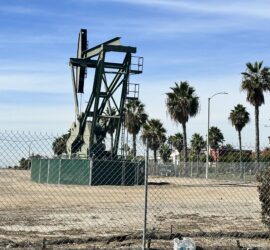
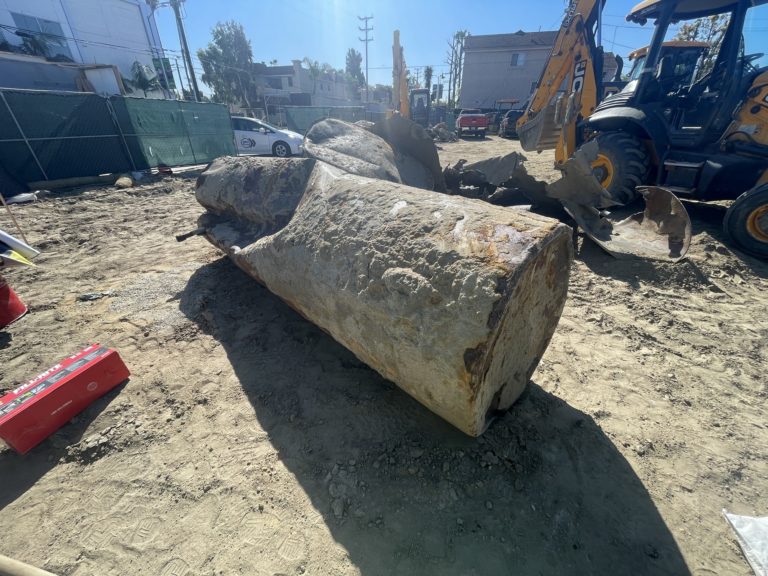
Design Methane Concentration: In accordance with the Los Angeles Department of Building and Safety Methane Code, Ordinance Number 175790, a Design Methane Concentration is the highest recorded concentration of methane soil gas detected during the course of methane testing on a property. The Design Methane Concentration is what defines the level of methane mitigation applicable to a subject site.

Similar Posts

  • Rock Stratigraphic Unit

    Rock Stratigraphic Unit In the field of geology, a rock stratigraphic unit, or a lithostratigraphic unit, is a geologic formation that is identifiable by a specific lithology, as well as a consistent stratigraphic position. For example, the Monterey Formation is a rock stratigraphic unit, as it tends to consistently comprise the same gravel and sand…

  • Reverse Fault Definition

    Reverse Fault Reverse Fault: In the field of geology, a reverse fault is a dip-slip fault in which the hanging wall moves upwards, relative to the footwall. The average dipping angle of a reverse fault ranges from 45 to 90 degrees. However, if less than 45 degrees, it becomes a “thrust fault.” Reverse faults are…

  • Facies

    Facies Facies: In the field of geology, the term “facies” represents a mappable, areally restricted part of a rock body that has different fossils or lithology from other contiguous beds deposited at the same time.

  • Dry Density (ρd)

    Dry Density (ρd) “Dry Density” (ρd) is a value that represents the density of soil when it is completely dry. To illustrate, it equates to (“bulk density” / 1) + “water content.” This is a common geotechnical engineering laboratory procedure. Dry Density Formula Dry Density = [(Bulk Density ÷ 1) + (Water Content)]

  • Volcanic Rock (Igneous)

    Volcanic Rock (Igneous) Definition A “Volcanic Rock” is an igneous rock that is finely crystalline and glassy (or aphanitic). To illustrate, volcanic rocks result from volcanic action at the earth’s surface. Typically, this also includes igneous intrusions that are “near-surface,” which may otherwise be considered plutonic. This action results in a final rock that is…